
What strategies turn an urban commercial property into a high‑yield franchise sublease hub?
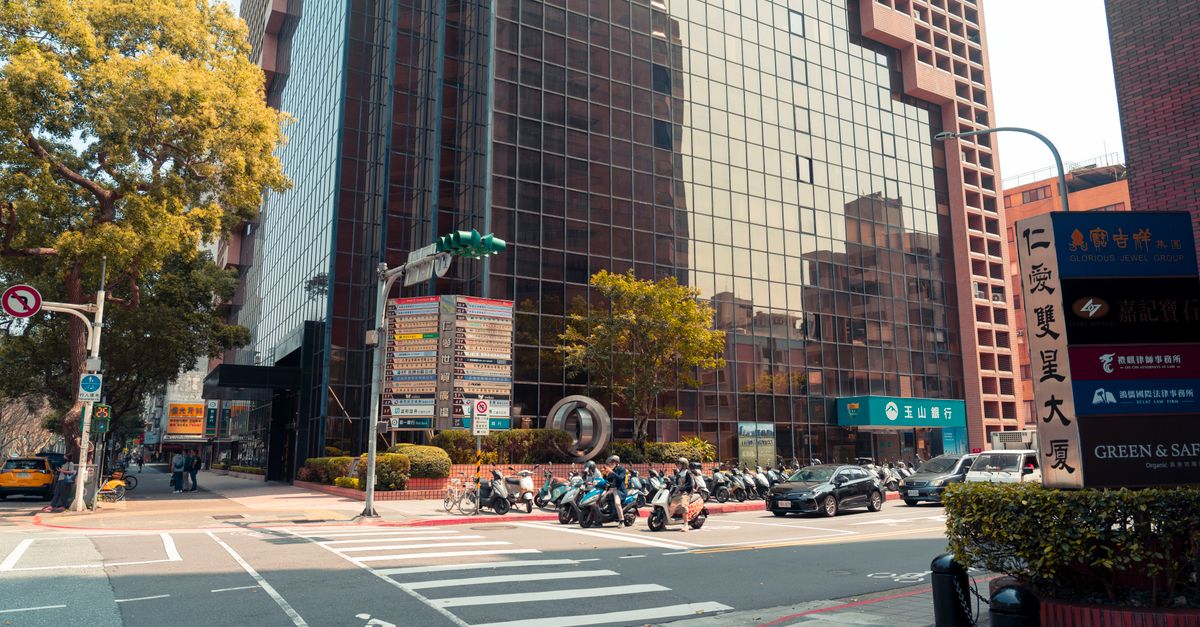
Urban commercial real estate sits at the intersection of foot traffic, zoning regulations, and brand visibility. For owners who want to attract franchise tenants—whether fast‑food outlets, retail chains, or service providers—turning a blank storefront into a profitable sublease requires more than just a good location. It demands a disciplined asset‑management approach, smart building upgrades, and a clear understanding of the franchise model’s requirements.
1. Market Dynamics: Why Franchises Thrive in Urban Spaces
Franchise operators look for high‑visibility sites with stable demographics and easy access. In 2026, urban corridors have become even more competitive as e‑commerce pushes brick‑and‑mortar stores to differentiate through experience. This trend translates into higher demand for well‑positioned commercial properties that can accommodate multiple brands under one roof.
In my experience, owners who stay ahead of zoning changes and local business incentives often secure franchise tenants before the market saturates. That means tracking municipal plans, community development projects, and any upcoming transit expansions that could alter foot traffic patterns.
Key Market Indicators to Track
- Population density and median income: Determines the consumer base a franchise can tap into.
- Zoning changes: New allowances for mixed‑use or retail can unlock potential tenants.
- Transit proximity: Walkability scores influence daily footfall.
- Local competition density: High saturation may require differentiation tactics.
- Economic development incentives: Tax abatements or grants can reduce tenant acquisition cost.
These indicators help shape the asset‑management strategy and inform which properties merit a franchise focus. By compiling them into a single dashboard, owners can quickly flag high‑potential sites and prioritize investment resources.
2. Asset Management Foundations for Urban Commercial Properties
Effective real estate asset management turns property value into predictable cash flow. For urban commercial assets, this involves three core processes: acquisition assessment, operational optimization, and exit planning.
Three Pillars of Urban Property Asset Management
- Acquisition Due Diligence: Evaluate title, environmental liabilities, and existing lease structures.
- Operational Efficiency: Implement energy‑saving measures and maintenance protocols to lower operating expenses.
- Capital Improvement Planning: Schedule upgrades that increase tenant desirability without overcapitalizing.
When I first purchased a downtown strip mall, the focus was on securing long‑term tenants. Later, I realized that continuous capital improvement—especially with smart building tech—was the key to maintaining high occupancy rates and commanding premium lease terms.
In addition to these pillars, owners should consider a proactive tenant mix strategy. By balancing flagship brands with complementary services (e.g., a coffee shop next to a bookstore), you create cross‑traffic that boosts overall footfall for every tenant. This synergy often leads to higher rent escalations and lower vacancy risk.
3. Assessing Property Suitability for Franchise Tenants
A property’s physical characteristics determine whether it can host a franchise. The evaluation should cover layout, load capacity, parking, and compliance with national brand standards.
Checklist for Franchise‑Ready Properties
- Square footage: Meets the minimum footprint required by target brands.
- Load bearing capacity: Supports kitchen equipment or retail fixtures.
- Parking and access: Adequate for customer convenience and delivery vehicles.
- Zoning compliance: Aligns with franchise business categories (e.g., food service).
- Brand‑specific infrastructure: Availability of plumbing, HVAC, and electrical capacity for high‑load operations.
In my portfolio, properties that passed this checklist consistently attracted franchises within six months of listing. Those that fell short required costly redesigns or were relegated to lower‑profile tenants. For instance, a mid‑town storefront initially failed the load‑bearing test; after installing reinforced beams and upgrading the electrical panel, it secured a national fast‑food chain with a 12‑month lease.
Beyond structural checks, owners should evaluate the potential for future expansion. A property that allows for additional floor plates or mezzanine levels can accommodate brand growth without the need for relocation—a major selling point for franchise operators seeking long‑term stability.
4. Smart Building Solutions: Adding Value to Commercial Subleases
Smart building technology is no longer a luxury; it’s a differentiator for urban commercial assets. Integrating IoT devices, automated HVAC controls, and energy‑management dashboards can reduce operating costs and appeal to tech‑savvy franchise operators.
Top Smart Building Features for Franchise Owners
- Smart HVAC & Lighting: Automated schedules cut energy waste by up to 15%.
- Integrated Security Cameras: Remote monitoring reassures tenants about safety.
- IoT‑enabled Asset Tracking: Helps franchises manage inventory and equipment.
- Data Analytics Dashboards: Provide real‑time occupancy and environmental metrics.
- Renewable Energy Options: Solar panels or green roofs reduce utility bills and attract ESG‑focused brands.
When I installed a smart HVAC system in a mid‑town location, the tenant’s operating expenses dropped, leading to an extended lease term and higher rental rate. That experience reinforced my belief that upfront tech investments pay off through both tenant satisfaction and market positioning.
Adding occupancy sensors is another low‑cost upgrade that benefits franchisors who rely on real‑time foot traffic data for staffing decisions. By providing a dashboard that tracks peak hours, you give tenants actionable insights that can improve service quality and reduce labor costs.
5. Commercial Subleasing Workflow: From Acquisition to Turnover
The sublease process can be streamlined if each step is clearly defined. Below is a practical sequence that reduces risk and accelerates revenue generation.
Step‑by‑Step Subleasing Process
- Define lease parameters: Duration, rent escalation, tenant improvement allowance.
- Conduct legal review: Ensure sublease clauses comply with master lease and local law.
- Screen candidates: Verify franchise approval status, financial stability, and brand fit.
- Negotiate terms: Align rent, buildout responsibilities, and performance metrics.
- Execute sublease agreement: Include exit clauses and maintenance obligations.
- Coordinate move‑in: Schedule construction, utilities activation, and branding.
- Ongoing monitoring: Track rent collection, property condition, and tenant satisfaction.
In practice, skipping the legal review step led to a costly dispute over utility responsibilities. That lesson prompted me to institutionalize a checklist that every sublease must pass before signing.
Adding a pre‑move‑in inspection mitigates hidden defects that could delay opening day. A simple 30‑minute walkthrough with the tenant’s project manager often uncovers minor electrical issues or plumbing leaks, allowing for immediate remediation and preserving the launch timeline.
6. Financial Modeling: Predicting ROI and Cash Flow
A robust financial model is essential for evaluating whether a franchise sublease will meet investment goals. Key metrics include Net Operating Income (NOI), Cap Rate, Debt Service Coverage Ratio (DSCR), and Return on Equity (ROE).
Essential Components of a Franchise Sublease Financial Model
- Projected Rent Roll: Base rent plus escalations and percentage‑of‑sales clauses.
- Operating Expenses: Property taxes, insurance, maintenance, utilities, and common area expenses.
- Capital Expenditures: Buildout costs, smart building upgrades, and contingency reserves.
- Debt Assumptions: Interest rate, amortization period, and loan‑to‑value ratio.
- Exit Strategy: Expected sale price or refinance scenario after lease term.
I use a spreadsheet template that automatically recalculates NOI and DSCR when I adjust rental escalations. This tool helps me quickly identify the break‑even point for each prospective franchise tenant.
Running sensitivity analyses—shifting assumptions by ±10%—reveals which variables most influence profitability. For example, a 5% increase in operating expenses can reduce DSCR below 1.2, prompting renegotiation of maintenance responsibilities or an escalation clause revision.
7. Common Pitfalls and Mitigation Strategies
Even experienced owners stumble on certain missteps that erode profitability or delay occupancy. Recognizing these pitfalls early can save time, money, and headaches.
Top Mistakes to Avoid
- Underestimating buildout costs: Franchise standards often require costly kitchen equipment or custom branding.
- Ignoring lease flexibility needs: Many brands need short‑term leases to test markets; rigid terms can deter them.
- Poorly drafted sublease clauses: Ambiguities in maintenance responsibilities lead to disputes.
- Lack of market research: Choosing a site without understanding local consumer behavior reduces tenant fit.
- Neglecting technology upgrades: Without smart building features, the property becomes less competitive.
For example, one of my early properties suffered from an overly restrictive sublease that limited the tenant’s ability to reconfigure space. The result was a vacancy period that cost us thousands in lost rent. After revising the lease template, we eliminated similar issues on all subsequent deals.
A proactive approach is to establish a “franchise readiness” scorecard for each property. By quantifying buildout feasibility, flexibility, and tech readiness, you can quickly rule out sites that would require disproportionate investment before even beginning marketing efforts.
8. Tools & Technology for Real Estate Asset Management
Leveraging software can streamline processes from tenant screening to financial reporting. Below are tools that fit an urban commercial portfolio with a focus on franchises.
Recommended Tech Stack
- Property Management Software (e.g., Buildium, AppFolio): Centralizes lease data and maintenance requests.
- Financial Modeling Platforms (e.g., Argus, Excel add‑ins): Provides advanced cash flow analysis.
- CRM Systems (e.g., Salesforce, HubSpot): Tracks leads, tenant interactions, and marketing campaigns.
- IoT Dashboards (e.g., BuildingIQ, Greenlots): Monitors energy usage in real time.
- Legal Document Automation (e.g., DocuSign CLM, Concord): Speeds up lease drafting and signing.
I’ve integrated most of these tools into a single workflow that reduces manual data entry by 35% and cuts lease‑to‑occupancy time from 90 days to 60 days. The synergy between the CRM and property management system also ensures that marketing metrics align directly with financial KPIs.
For owners who manage multiple assets, a cloud‑based dashboard that aggregates occupancy rates, rent collection status, and maintenance backlog provides real‑time visibility into portfolio health—critical when negotiating renewal terms with franchise tenants.
9. Takeaway: Aligning Asset Management with Franchise Demand
By combining rigorous market analysis, smart building upgrades, and a streamlined subleasing process, owners can turn any urban commercial property into a high‑yield franchise hub that delivers consistent cash flow and long‑term asset appreciation.10. Final Thoughts and Next Steps
Urban commercial properties offer a unique platform for franchise operators seeking visibility and foot traffic. However, the key to success lies in disciplined asset management, technology integration, and tenant‑focused lease structures. If you’re ready to transform your property into a franchise magnet, start by conducting a full market audit and updating your smart building infrastructure.
Next, develop a “franchise readiness” scorecard for each site, then use that data to prioritize renovation budgets and marketing efforts. Finally, maintain an ongoing dialogue with franchise associations; their insights can reveal emerging brand opportunities before competitors do.
What specific challenges have you faced when trying to attract franchise tenants to urban commercial spaces?


