
What Should I Look For When Buying Commercial Land in 2026?
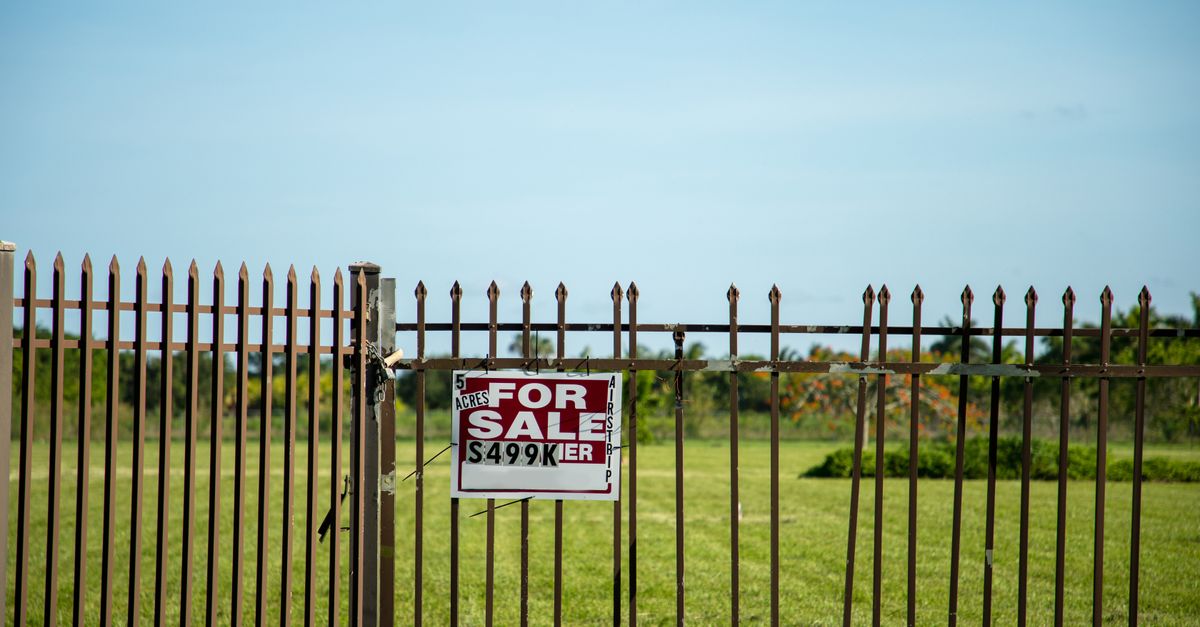
When a commercial land for sale appears on the market, the decision to purchase is rarely based on a single factor. It’s a blend of location, zoning, financial viability, and future potential. In 2026, with shifting demographics and evolving retail trends, I’ve distilled the most critical elements that guide my real estate consulting practice and help clients turn raw parcels into profitable developments.
Assessing Location and Market Demand
The first question you must answer is whether the land sits in a market that will support your intended use. Even the best‑located property can fail if demand evaporates. I look at:
Key Location Metrics to Evaluate
- Population Growth: A steady increase indicates a healthy consumer base.
- Employment Centers: Proximity to corporate hubs boosts office or retail traffic.
- Transit Accessibility: Bus, rail, and major roadways reduce commute friction.
- Competitive Landscape: Identify existing retailers or offices nearby; saturation can dilute returns.
- Future Development Plans: Municipal master plans reveal upcoming projects that could alter demand.
- Digital Footprint & Online Presence: High search volume and social media engagement in the area signal consumer interest for retail concepts.
Using GIS mapping tools and local planning department data, I overlay demographic layers to visualize growth corridors. This approach also reveals micro‑markets that may be underserved yet poised for expansion.
Understanding Zoning, Permits, and Regulatory Constraints
Zoning is the invisible gatekeeper of commercial land value. A parcel zoned for light industrial might cost less but could restrict your retail concept. I cross‑check:
- Current Zoning Classification: Verify against the latest county map.
- Allowed Density and Floor Area Ratio (FAR): Determines how much you can build.
- Conditional Uses: Some zones require special permits or community approvals.
- Future Rezoning Trends: Municipal zoning proposals can signal upcoming opportunities or risks.
- Environmental Regulations: Protected habitats or wetlands impose hard limits.
- Overlay Districts & Special Use Zones: These layers may add additional restrictions or incentives, such as historic preservation or green building mandates.
A misstep here costs time and money, so I always recommend a pre‑purchase zoning audit by an experienced consultant. This audit also identifies potential variances that could streamline the permitting process.
Financial Analysis: Cost, ROI, and Financing Options
The purchase price is only the tip of the iceberg. Below are the financial levers that determine whether a commercial land for sale will deliver on your investment horizon.
Essential Financial Metrics
- Acquisition Cost vs. Comparable Sales: Benchmark against recent transactions in the same corridor.
- Development Cost Estimate: Includes site work, construction, and contingency.
- Operating Cash Flow Projection: Net income after operating expenses.
- Capitalization Rate (Cap‑Rate): Helps compare yields across properties.
- Debt Service Coverage Ratio (DSCR): Indicates loan repayment feasibility.
- Tax Implications: Property taxes, capital gains, and potential incentives.
- Scenario Sensitivity Analysis: Evaluates how changes in rent, occupancy, or construction costs affect returns.
In my experience, a solid DSCR above 1.25 and a Cap‑Rate within the market median often signal a healthy deal. However, each project’s risk profile can adjust those thresholds. Building multiple scenarios—best case, base case, worst case—provides a clearer view of potential upside and downside.
Infrastructure and Utilities Availability
A piece of land without reliable infrastructure is a sunk cost. When evaluating commercial property upgrades or new developments, I verify:
- Road Access and Capacity: Can the existing road handle increased traffic?
- Utility Connections: Water, sewer, gas, electricity, and high‑speed internet.
- Stormwater Management: Compliance with local drainage codes.
- Parking Capacity: Adequate surface or underground parking for the intended use.
- Signage Permits: Availability of advertising space and regulatory approval.
- Renewable Energy Potential: Solar, wind, or geothermal feasibility for long‑term sustainability.
If any of these are lacking, factor in upgrade costs early in your financial model. For example, extending a sewer line can range from $25,000 to $150,000 depending on depth and local rates, while installing fiber optics may cost $10–$20 per linear foot.
Environmental Due Diligence
Regulatory scrutiny and public perception make environmental checks non‑negotiable. I focus on:
- Soil Testing: Detects contamination that could delay construction.
- Flood Zone Designation: Determines insurance premiums and building restrictions.
- Easements and Rights‑of‑Way: Identifies third‑party claims on the property.
- Historical Site Status: Some parcels are protected due to archaeological significance.
- Air Quality Assessments: Relevant for industrial or high‑traffic retail projects.
Neglecting these factors can derail a project before it starts. A pre‑purchase environmental report is an investment that pays off in avoided delays and liabilities. When remediation is required, phased strategies—such as capping contaminated soil and installing vapor barriers—can reduce upfront costs while maintaining compliance.
Leveraging Real Estate Consulting for Success
Even with the best data, translating numbers into strategy requires expertise. My real estate consulting practice focuses on three core services:
- Market Feasibility Studies: Quantitative analysis of demand and competition.
- Zoning & Permitting Strategy: Navigating local regulations to secure approvals efficiently.
- Financial Modeling & Funding Guidance: Building robust projections and identifying optimal financing structures.
When selecting a consultant, ask for:
- Case studies of similar projects in the region.
- Access to proprietary market data.
- A clear fee structure that aligns with project milestones.
Case Study: From Land Purchase to Retail Development
In my experience, I guided a client through acquiring a 3‑acre parcel near a newly opened transit hub. We purchased the land for $1.8 million and secured a 30‑year construction loan at 4.5% interest. The project involved:
- Reconfiguring zoning from mixed-use to retail with a streamlined permitting process.
- Installing an underground fiber network that later attracted two flagship tenants.
- Implementing a phased development plan, opening the first anchor store within 18 months and completing the full complex in 30 months.
The result was a 120% return on equity over five years, exceeding the client’s benchmark by 8 percentage points. The key takeaway: aligning every stage—from acquisition to construction—with market realities ensures a smooth trajectory.
Avoiding Common Pitfalls in Commercial Property Upgrades
Commercial property upgrades, whether new builds or renovations, are fraught with hidden costs. Here’s what I see clients stumble over:
- Underestimating Site Work: Grading, demolition, and utility relocation often exceed initial estimates.
- Scope Creep: Adding amenities mid‑project inflates budgets without clear ROI.
- Lack of Contingency Planning: A 10–15% contingency buffer is standard; missing this leads to cash flow crunches.
- Ignoring Tenant Needs: Customizing spaces without tenant input can reduce occupancy rates.
- Regulatory Overlook: Failing to secure all required permits before breaking ground results in costly delays.
Mitigation involves a disciplined project management framework, transparent communication with stakeholders, and rigorous cost control. Maintaining an up‑to‑date risk register throughout the project lifecycle helps surface issues early.
Next Steps and Decision Checklist
When you’re ready to move from analysis to action, use this checklist:
- Validate market demand and demographic trends.
- Confirm zoning compatibility and identify any necessary variances.
- Obtain a detailed financial model, including DSCR and Cap‑Rate projections.
- Secure preliminary infrastructure feasibility reports.
- Conduct environmental due diligence to uncover potential liabilities.
- Select a qualified real estate consultant with proven regional experience.
- Negotiate purchase terms that include seller concessions or earnouts if appropriate.
- Finalize financing arrangements, ensuring favorable loan terms and covenants.
- Develop a phased construction plan aligned with market absorption rates.
- Monitor progress against the checklist to catch deviations early.
Adhering to this systematic approach reduces risk and maximizes return on your commercial land investment. A structured timeline—typically six months from due diligence to closing, followed by a two‑to‑three year construction window—provides clear milestones for stakeholders.
What is the most critical factor you consider when evaluating a piece of commercial land for sale?


