
What Should I Choose: Prime Commercial Locations, Co‑Working Spaces or Executive Office Suites in 2026?
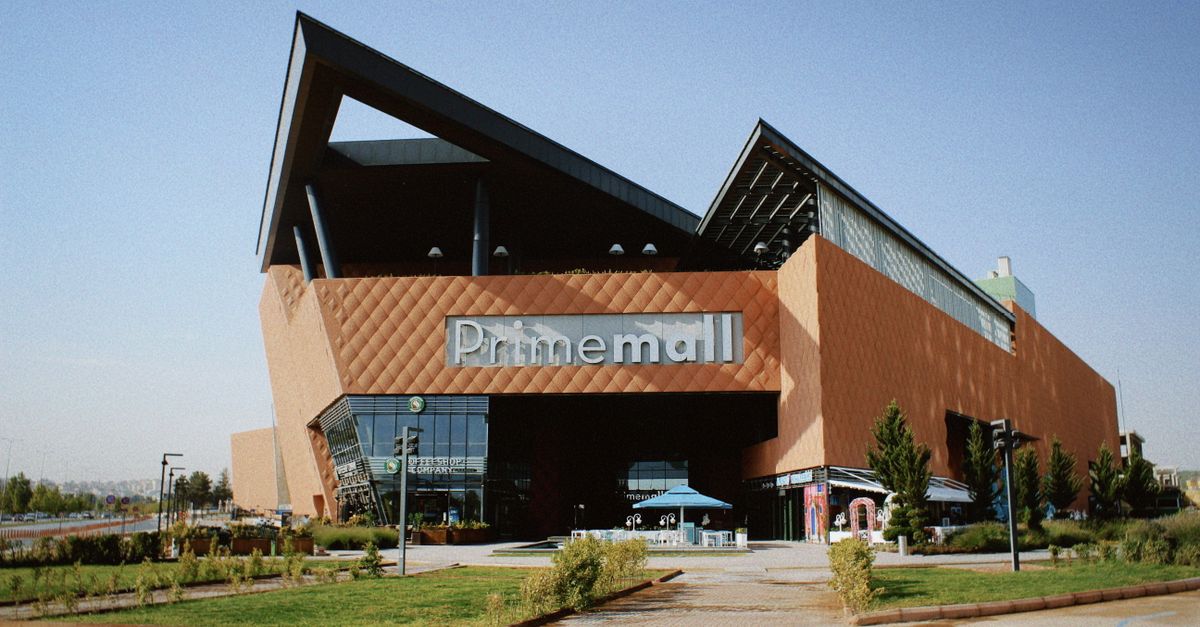
Deciding where to set up your business in 2026 isn’t just about picking a building. It’s about aligning location, flexibility, cost and future growth with the realities of today’s market. In this article I lay out the pros and cons of three common options – prime commercial locations, co‑working spaces and executive office suites – and give you clear criteria to choose the right fit for your venture.
Prime Commercial Locations: The Traditional Powerhouse
A prime commercial location is a single‑tenant space in a high‑visibility area such as downtown or near major transit hubs. These sites command premium rent but offer brand prestige, direct customer access and long‑term stability.
When Prime Makes Sense
- Retail & Brand Visibility: Foot traffic drives sales for physical stores and experiential brands.
- Client Perception: A prestigious address signals credibility to investors, partners and high‑net‑worth clients.
- Asset Accumulation: Buying property can build equity over time, especially in growing metros.
- Control Over Space: Full authority to design interiors without third‑party constraints.
Common Mistakes with Prime Locations
- Overpaying for rent or lease terms that lock you into a decade of high rates.
- Ignoring future zoning changes that could alter the property’s value.
- Underestimating maintenance and renovation costs that erode ROI.
- Lacking contingency plans if business volume drops during economic cycles.
What to Look For in a Prime Space
Beyond rent, consider building amenities such as concierge services, advanced security systems, climate control, and the quality of the façade. A well‑maintained lobby can reinforce your brand’s first impression. Additionally, evaluate parking availability for both staff and customers – even a small number of secure spots can be a competitive advantage.
Cost Snapshot (2026, U.S.)
Commercial rent in top metros averages $75–$120 per square foot per year. A 2,500‑sq‑ft office could cost $187,500–$300,000 annually. Purchase prices range from $350 to $650 per square foot for freehold properties.
Key Decision Checklist
- Is direct customer access essential?
Co‑Working Spaces: The Flexibility Engine
Co‑working spaces are shared offices offering desks, meeting rooms and amenities on a subscription basis. They’re ideal for startups, freelancers or businesses that value community and short‑term commitments.
When Co‑Working Works Best
- Rapid Scaling: Add or reduce seats with minimal paperwork.
- Cost Predictability: Flat monthly rates cover utilities, internet and cleaning.
- Networking Opportunities: Built-in community can spark collaborations.
- Location Variety: Many hubs exist in secondary districts that still offer good transit.
Common Pitfalls of Co‑Working
- Lack of brand visibility if your business relies on physical presence.
- Limited control over interior layout and security protocols.
- Potential for higher long‑term costs if you stay beyond the initial months.
- Risk of “noise” – shared spaces can be distracting during critical client meetings.
Types of Co‑Working Arrangements
Most providers offer a tiered structure: hot desk (first‑come, first‑served), demand‑desk (reserved for a day or week), dedicated desk (a fixed location with your name on the door), and private office (a locked room with full privacy). Choosing the right tier depends on how often you need a dedicated space, the level of confidentiality required, and budget constraints.
Cost Snapshot (2026, U.S.)
Day passes average $30–$50. Dedicated desks range from $300 to $600 per month, while private offices start at about $1,200 monthly for 250 sq ft. Facilities often include coffee, printing and high‑speed Wi‑Fi.
Key Decision Checklist
- Does your team need on‑site collaboration or remote flexibility?
Executive Office Suites: The Hybrid Solution
Executive suites combine the prestige of a dedicated office with the flexibility of a lease‑to‑own model. They’re often located in business parks or lower‑tier districts but offer private entrances and high security.
When Executive Suites Fit Your Strategy
- Brand Presence without Premium Rent: A professional image at a fraction of downtown costs.
- Scalability: Many providers allow you to add suites as your team grows.
- All‑Inclusive Services: Managed IT, receptionists, and cleaning reduce administrative burden.
- Longer Lease Flexibility: 3–5 year terms with options for renewal or expansion.
Common Mistakes with Executive Suites
- Choosing a location that’s too remote from core customer bases.
- Underestimating the cost of add‑ons like conference rooms or custom branding.
- Neglecting to negotiate exit clauses – early termination can be expensive.
- Assuming “all inclusive” means zero surprises – always review service level agreements.
Typical Service Packages
Most executive suite providers bundle services such as managed IT support, on‑site reception, security monitoring, and facility maintenance. Some also offer access to shared meeting rooms, fitness centers or event spaces. Understanding what is truly included versus add‑ons helps prevent hidden fees.
Cost Snapshot (2026, U.S.)
Private suites average $800–$1,500 per month for 250–500 sq ft. Additional services such as managed IT or on‑site reception can add $200–$400 monthly. Lease terms typically start at 36 months.
Key Decision Checklist
- Do you need a private entrance and high security?
Commercial Land for Sale: The Long‑Term Growth Play
If you’re building a brand from scratch or expanding, buying commercial land can be a strategic move. It allows you to design the footprint exactly to your needs.
When Buying Makes Strategic Sense
- Future Expansion: Land lets you add buildings or parking as demand grows.
- Asset Appreciation: Prime land in up‑and‑coming districts can increase significantly.
- Control Over Zoning: You can influence future uses and building heights.
- Tax Benefits: Depreciation, interest deductions and potential 1031 exchanges.
Common Pitfalls of Commercial Land Acquisition
- High upfront costs – purchase price plus due diligence, legal fees and environmental assessments.
- Long lead times for permitting and construction.
- Risk of market downturns wiping out land appreciation.
- Managing property taxes and insurance over decades.
Financing Options
Commercial lenders offer several routes: traditional term loans, SBA 504 loans, or developer‑specific financing. Each has distinct eligibility criteria, interest rates and repayment schedules. Working with a financial advisor can help determine which structure aligns best with your cash flow profile.
Cost Snapshot (2026, U.S.)
Land prices vary widely: $150–$500 per sq ft in suburban markets; up to $1,000+ in emerging urban cores. Total development costs can double the land price when adding infrastructure and construction.
Key Decision Checklist
- Is your business model capital‑intensive or property‑heavy?
Choosing the Right Commercial Real Estate Agent in 2026
The right agent can save you time, money and headaches. Look for agents who specialize in your chosen property type and have a proven track record of negotiating favorable terms.
What to Ask an Agent
Red Flags to Avoid
How an Agent Adds Value Beyond Finding Space
Experienced agents can conduct comparative rent analyses, model future lease escalations, and negotiate tenant improvement allowances. They also have relationships with local architects, contractors, and utility providers, which can streamline the build‑out process and reduce hidden costs.
Key Decision Checklist for Agents
- Do they have deep knowledge of 2026 commercial trends?
Cost Comparison & ROI: Which Option Wins?
Below is a simplified comparison of total costs and return on investment for each option over a 5‑year horizon. All numbers are illustrative and assume moderate growth.
| Option | Annual Cost (USD) | 5-Year Total Cost | Estimated ROI (%) |
|---|---|---|---|
| Prime Commercial Location | $250,000 | $1.25M | 12% |
| Co‑Working Space | $60,000 | $300k | 8% |
| Executive Suite | $120,000 | $600k | 10% |
| Commercial Land Purchase (incl. construction) | $180,000 | $900k | 15%* |
* ROI assumes a 20% annual appreciation and modest operating income.
Interpreting the Numbers
- Prime locations offer brand value but high cost.
Hidden Costs Worth Considering
While headline rent figures are helpful, real expenses include CMA fees, common area maintenance (CAM), building insurance, and property taxes. For example, a prime downtown office may have 10% of its rent allocated to CAM, pushing the effective cost higher. Executive suites often bundle these costs but can still surprise with service‑level add‑ons.
Practical Steps to Make Your Decision
- I mapped my cash flow projections against each cost scenario and highlighted break‑even points.
Benchmarking Rent Per Square Foot
Use local market reports to compare the gross lease versus net lease structures. Net leases shift operating expenses to tenants, while gross leases bundle them into rent. Knowing which applies can dramatically alter your cost forecast.
Evaluating Lease Clauses
Key clauses include escalation provisions, renewal options, termination rights and tenant improvement allowances. A well‑structured lease can provide protection against unforeseen rent hikes or market shifts.
Key Takeaway
Choosing the right office model is less about the headline “prime” or “flexible” and more about aligning location, cost, control and growth trajectory with your specific business needs.Every option has trade‑offs. The smartest decision comes from a clear understanding of how each fits into your revenue model, brand strategy and operational flexibility.
What factors do you consider most critical when selecting an office space for your startup?


