
What Prime Commercial Locations Are Best for Industrial Park Development in 2026?
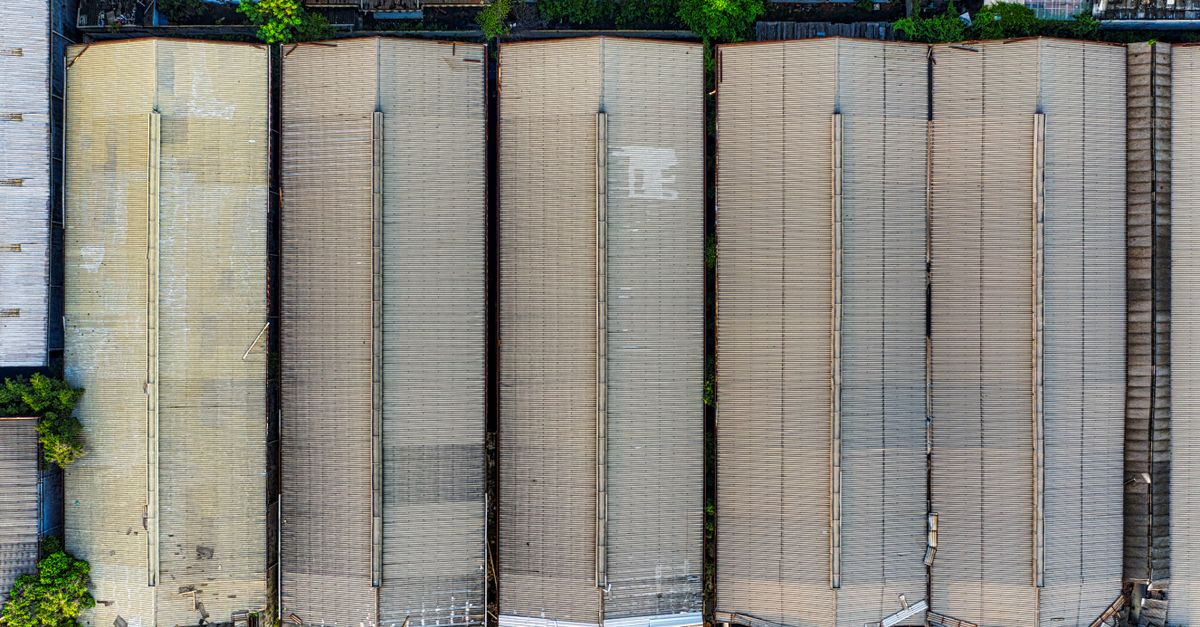
I’m tackling a question that’s been on my mind lately: which prime commercial locations should developers target when building industrial parks or executive office suites in 2026? The answer isn’t as simple as picking the most populated city. It requires a systematic approach that considers transportation, demographics, incentives, and tenant representation. Below is a practical, step‑by‑step listicle that cuts through the noise and gives you actionable insights.
Before diving into the specifics, it’s worth acknowledging that the real estate landscape is constantly evolving. Technological advancements like autonomous freight vehicles, shifting supply chain strategies post‑pandemic, and changing labor market dynamics all influence which sites will remain attractive in the next few years. This guide synthesizes current data trends with proven development tactics to help you identify locations that not only meet today’s requirements but also future‑proof your investment.
1. Understand the Market Landscape
The first move in any real estate development project is to get a clear picture of where demand is headed. This means looking beyond headline growth rates and digging into underlying drivers such as supply constraints, industry trends, and macro‑economic signals. I’ve spent years scanning data feeds from commercial brokers, transportation agencies, and census reports to spot emerging hubs before they become saturated.
When you’re evaluating prime commercial locations for industrial parks, consider the following metrics:
Key Market Indicators
- Year‑over‑year growth in manufacturing payrolls
- Availability of high‑speed rail or freight corridors
- Local real estate vacancy rates versus national averages
- Projected GDP contributions from logistics and distribution sectors
- Recent infrastructure investment announcements (e.g., highway expansions)
- Competitive intensity among existing industrial parks in the region
These indicators help you prioritize areas that are likely to sustain long‑term demand for new facilities.
In practice, start by building a weighted scoring model. Assign each indicator a weight based on its relative importance to your target tenant mix—e.g., a 3D printer manufacturer might value proximity to Class I rail more than a large distribution center that prioritizes highway access. Feed the latest data into the model and rank potential sites. This quantitative approach removes guesswork and provides a defensible rationale for site selection that can be shared with investors or lenders.
2. Evaluate Transportation Access and Infrastructure
Industrial parks thrive where goods can move efficiently. A prime commercial location must have robust multimodal connections: highways, rail lines, ports, and airports. I’ve seen projects fail because they underestimated the cost of upgrading access roads or securing right‑of‑way for freight lanes.
Assess each candidate site against these criteria:
Transportation Metrics
- Proximity to major interstate exits (within 5 miles)
- Availability of Class I rail lines for bulk shipping
- Distance to the nearest cargo airport or seaport
- Existing freight bridge capacity and load limits
- Road maintenance schedules that could impact delivery windows
- Future transportation plans (e.g., high‑capacity lanes, truck‑only routes)
A site that scores high on all these fronts reduces logistical risk and can command a premium in tenant negotiations.
Consider adding a dedicated freight terminal or intermodal hub as part of the development plan. If the site is adjacent to an existing rail yard, negotiate a lease for storage tracks; if not, explore partnerships with local shippers to build a shared loading dock. In regions where ports are within 50 miles, evaluate container throughput data—high volumes often translate into robust freight activity and higher demand for nearby warehouses.
3. Analyze Demographic and Workforce Trends
The workforce is the lifeblood of any industrial operation. Prime commercial locations must offer a talent pool with the right skill set, wage levels that are competitive yet sustainable for tenants, and a stable living environment that attracts employees.
In my experience, mapping local labor market data against industry requirements provides a quick sanity check on whether a site will attract long‑term occupancy.Key demographic factors to examine include:
Workforce Considerations
- Population growth rate over the past five years
- Median household income relative to regional averages
- Education attainment levels (e.g., percentage with associate or bachelor degrees)
- Labor force participation rate and unemployment trends
- Availability of vocational training centers or community colleges nearby
- Commute times from major residential corridors to the site
A balanced mix of affordable housing, quality schools, and transportation options keeps the workforce stable and reduces turnover costs for tenants.
Supplement this analysis with a labor market overlay that maps industry clusters—such as automotive suppliers or advanced manufacturing—to the local talent pool. If the region hosts a technical university or specialized training institute, highlight potential partnership opportunities for on‑site apprenticeship programs. Tenants often value access to a pipeline of qualified workers, and developers who can demonstrate this asset will be better positioned to secure long‑term leases.
4. Assess Zoning, Tax Incentives, and Regulatory Environment
No matter how attractive a location is on paper, restrictive zoning or onerous permitting can derail a project. Conversely, well‑structured tax incentives can turn a mediocre site into a hot spot.
When reviewing potential sites, gather information on:
Zoning & Incentive Checklist
- Current land use designation and any pending rezoning proposals
- Maximum allowed building height and density limits for industrial uses
- Environmental compliance requirements (e.g., wetlands, flood zones)
- Availability of tax abatements or credits for manufacturing investments
- State or local grant programs supporting infrastructure upgrades
- Historical approval times for similar projects in the area
A site that offers a clear path to permits and financial incentives can accelerate development timelines and improve return on investment.
Dive deeper by reviewing the city’s comprehensive plan. Many municipalities have “industrial corridors” earmarked for high‑density logistics use, which can dramatically shorten permitting cycles. Additionally, compare state-level incentive programs—such as the Ohio Manufacturing Development Fund or Texas's Enterprise Zone Program—to determine which offers the best fit for your project scale and tenant profile.
5. Leverage Tenant Representation for Negotiation Power
Tenant representation is often overlooked by developers who assume they can negotiate directly with all potential occupants. In reality, tenant reps bring market expertise, pre‑qualified leads, and leverage that can secure better lease terms.
Key takeaway: Engaging a seasoned tenant representative early in the process can unlock access to off‑market opportunities and improve occupancy rates by up to 15%.When selecting a tenant rep for industrial park or executive office suite projects, evaluate them on:
Selecting a Tenant Representative
- Track record of successful leases in the targeted sector
- Depth of local market knowledge and relationships with key players
- Ability to provide data‑driven lease projections (e.g., cap rates, NNN structures)
- Transparency regarding fees and commission structure
- Experience negotiating complex build‑to‑suite arrangements
- Capacity to manage multiple tenant interests simultaneously
A strong tenant rep can negotiate favorable rent rolls, secure tenant improvement allowances, and shorten the leasing cycle.
In addition to traditional brokerage services, look for reps who offer market analytics dashboards. These tools enable developers to track lease activity in real time, identify emerging demand trends, and adjust marketing strategies accordingly. A data‑driven tenant partner is especially valuable when targeting high‑value tenants that require customized build‑to‑spec solutions.
6. Design Executive Office Suites to Attract High‑Value Tenants
For industrial parks that include office components—such as executive suites or logistics hubs—the design must reflect modern work culture while maintaining operational efficiency.
Consider these design elements when planning a prime commercial location:
Executive Suite Design Features
- Open, flexible floor plans with modular partitions
- Smart building systems (IoT sensors for temperature, lighting, and security)
- High‑speed fiber connectivity and redundant power feeds
- Dedicated conference rooms with AV integration
- Sustainable certifications (LEED Silver or better) to appeal to ESG‑conscious tenants
- Onsite amenities: fitness center, café, and outdoor lounges for employee well‑being
- Security protocols that balance access control with seamless entry for freight operations
These features not only attract premium tenants but also create a cohesive ecosystem that supports both manufacturing and corporate functions.
To further differentiate your development, incorporate flexible technology zones—areas where tenants can install their own high‑bandwidth networking without compromising the shared infrastructure. Offer tiered parking solutions: dedicated loading bays for freight vehicles, electric vehicle charging stations for commuters, and reserved spots for executive staff. By integrating these thoughtful touches, you signal to prospective tenants that your park is designed with both operational excellence and employee experience in mind.
What factors do you prioritize when selecting a prime commercial location for an industrial park or executive office suite?


