
What Are Shared Office Spaces and Flexible Lease Terms Good For In Retail Center Investments?
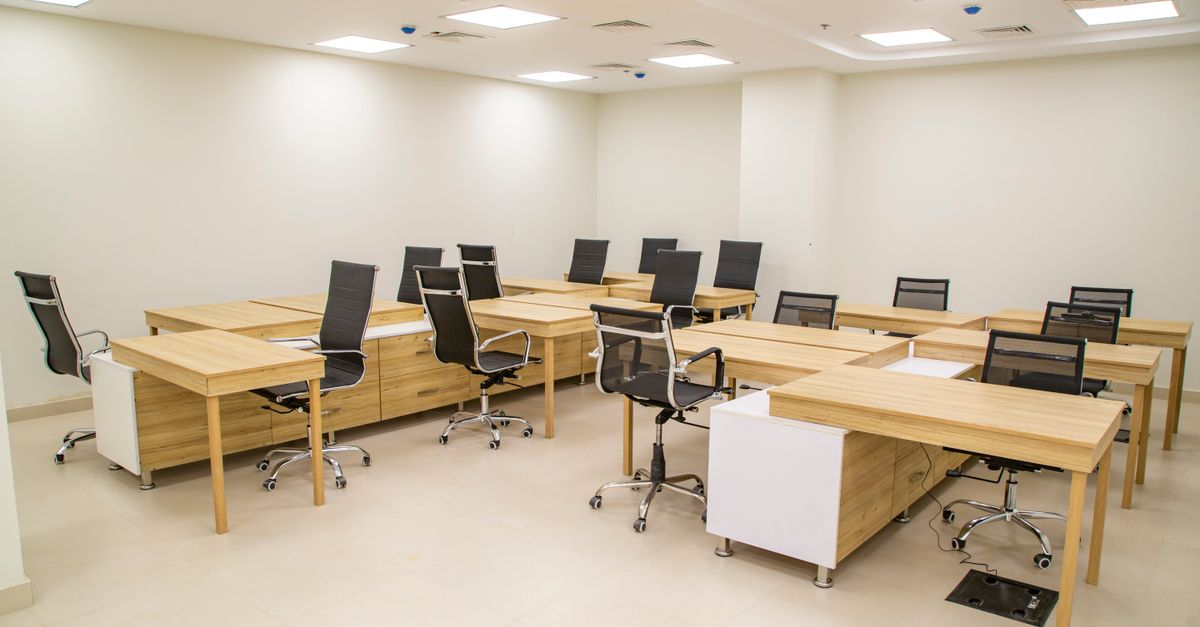
This article explains how shared office spaces and flexible lease terms can enhance retail center investments by improving tenant retention, diversifying revenue, and supporting sustainable properties. It offers definitions, common pitfalls, evaluation criteria, and a step‑by‑step implementation guide.
1. Defining Shared Office Spaces Within a Retail Center Context
Shared office spaces—or coworking hubs—provide flexible work environments where multiple businesses share desks or offices. In a retail center, they coexist with storefronts, adding value for investors and tenants alike.
Investors gain a stable income from short‑term leases while diversifying tenant mix. The model attracts startups, freelancers, and remote teams that prefer flexibility over long commitments.
Key Advantages of Shared Office Spaces for Retail Center Investors
- Higher occupancy rates: Daily or weekly leases keep spaces near full even during retail slowdowns.
- Boosted foot traffic: Office workers bring potential shoppers to nearby cafés, dry cleaners, and convenience stores.
- Premium pricing opportunities: High‑speed Wi‑Fi, conference rooms, and reception services justify rates above traditional rents.
- Reduced vacancy risk: When one tenant leaves, others fill the gap quickly.
- Additional revenue streams: Meeting rooms and event spaces can be rented to external clients during off‑peak hours.
Shared office areas create a synergistic ecosystem where retail and office tenants support each other’s customer base. This cross‑synergy often leads to longer overall lease tenancies for both groups, turning the property into an integrated community hub.
2. How Flexible Lease Terms Affect Tenant Retention in Commercial Properties
Flexible leases—short durations, renewal options, tiered rent—meet evolving business needs and improve tenant retention.
Startups and e‑commerce brands value the ability to scale quickly without long‑term lock‑in. Flexibility lets them relocate as their model matures.
Factors That Improve Retention Through Lease Flexibility
- Renewal at a predetermined rate: Locks in price and encourages longer stays.
- Pro‑rated rent for partial occupancy: Makes short terms financially viable.
- Bundled utilities and maintenance: Simplifies budgeting and reduces disputes.
- Fit‑out credits for early signings: Allows tenants to customize spaces without upfront capital.
- Transparent escalation clauses: Tied to market indices, building trust over time.
3. Common Mistakes When Adding Shared Office Spaces to Retail Centers
Despite its appeal, adding shared offices can backfire if key issues are overlooked.
Underestimating infrastructure—HVAC, high‑speed internet, secure access—is a frequent error. Neglecting proper space segmentation can also create zoning conflicts.
Five Pitfalls to Avoid
- Ignoring zoning restrictions: Mixed‑use centers may limit office occupancy or activity types; a legal review prevents costly redesigns.
- Lacking flexible partitions: Movable walls and modular furniture allow rapid layout changes without major capital outlay.
- Underpricing initially: Low rates attract tenants quickly but erode long‑term profitability. Benchmark coworking hubs before setting prices.
- Neglecting security protocols: Keycard systems, CCTV, and secure storage are essential for protecting equipment and data.
- No clear marketing strategy: Without a defined audience (e.g., tech startups), the space may fail to resonate. Targeted outreach through industry events or digital campaigns bridges this gap.
A proactive approach addressing these issues early saves time and expense later on.
4. Evaluating Sustainability of a Commercial Property Before Investing
Sustainable properties—built or retrofitted for energy efficiency, waste reduction, and water conservation—attract tenants valuing ESG credentials. Investors must assess sustainability before committing capital.
Key metrics include LEED certification, utility trends, renewable installations, and indoor environmental quality scores. These factors lower operating costs and enhance tenant satisfaction.
Seven Evaluation Criteria for Sustainable Properties
- Green building certification: A LEED or equivalent rating signals commitment to sustainability.
- Electricity consumption per square foot: Benchmarking against regional averages identifies inefficiencies.
- On‑site renewable energy: Solar or wind generation reduces grid dependence and hedges against rising rates.
- Water reclamation and low‑flow fixtures: Lower bills and appeal to eco‑conscious tenants.
- Indoor air quality monitoring: Continuous data ensures a healthy workspace, especially in dense office environments.
- Accessibility features: Ramps, wide doorways, and adaptive workstations broaden the tenant pool and meet regulations.
- Community engagement initiatives: Sustainability workshops or NGO partnerships enhance brand perception and attract socially responsible tenants.
Including these criteria in due diligence reveals operational savings and market differentiation. Many lenders now offer preferential terms for properties meeting environmental standards, improving the investment’s risk profile.
5. Implementing Shared Office Spaces with Flexible Leases in Existing Retail Centers
Transitioning a retail center to include shared office spaces requires a structured rollout plan. Below is a practical roadmap that balances risk and tenant attraction.
Actionable Steps for Successful Implementation
- Conduct a space audit: Use floor plans, traffic data, and tenant interviews to identify zones suitable for conversion without disrupting retail operations.
- Engage an experienced commercial architect: Optimize layout, ensure code compliance, and recommend cost‑effective materials.
- Create a tiered lease model: Offer short, medium, and long‑term options—e.g., daily rates at $20 per desk, monthly at $400, annual at $4,500 with renewal bonuses.
- Develop an amenity package: High‑speed Wi‑Fi, meeting rooms, and a communal kitchen differentiate the offering and justify premium pricing.
- Launch targeted marketing: Use LinkedIn groups, local incubators, and industry conferences to raise awareness. Highlight proximity to retail amenities as an added perk.
- Monitor occupancy quarterly: Track desk utilization, average tenure, and revenue per square foot. If occupancy falls below 80%, offer promotions such as free fit‑out credits for the first six months.
Following these steps ensures that the office component complements existing tenants while creating new revenue streams. It also positions the center as a modern mixed‑use destination, appealing to investors prioritizing adaptability and tenant satisfaction.
6. Frequently Asked Questions About Shared Office Spaces in Retail Centers
Q: Can I integrate shared office spaces without disrupting my current retailers?
A: Yes—separate access points and soundproofing keep retail tenants isolated from office noise.
Q: How do flexible lease terms impact long‑term cash flow projections?
A: Short terms may reduce initial revenue per square foot, but higher occupancy typically offsets this over time. Forecast both scenarios to gauge impact.
Q: What sustainability features are most valuable to tenants?
A: Energy efficiency (LED lighting, smart HVAC), water conservation fixtures, and LEED certification tend to be top priorities for eco‑conscious businesses.
Q: How can I balance the needs of retail and office tenants in a shared space?
A: Implement staggered operating hours—office tenants may prefer early mornings while retailers thrive during afternoons. Designate common areas (e.g., coffee bar) that serve both groups, fostering informal networking.
Q: What is the typical return on investment when adding coworking to a retail center?
A: While exact figures vary by location and market conditions, many investors report a 5–10% increase in overall property value within three years, driven by higher occupancy and diversified revenue streams.
Key takeaway: Incorporating shared office spaces with flexible lease terms into retail centers boosts occupancy, diversifies revenue, and aligns with sustainable trends—making them a strategic asset for forward‑looking investors.In my experience working on a 50‑k square foot office conversion in a downtown mall, I found that offering a “starter” lease at $18 per square foot monthly attracted two tech startups within three months of launch.
How would you adjust your lease structure if you had to balance the needs of both retail and office tenants in a shared space?


