
How can I use real estate technology integration to boost tenant retention in high‑traffic retail locations?
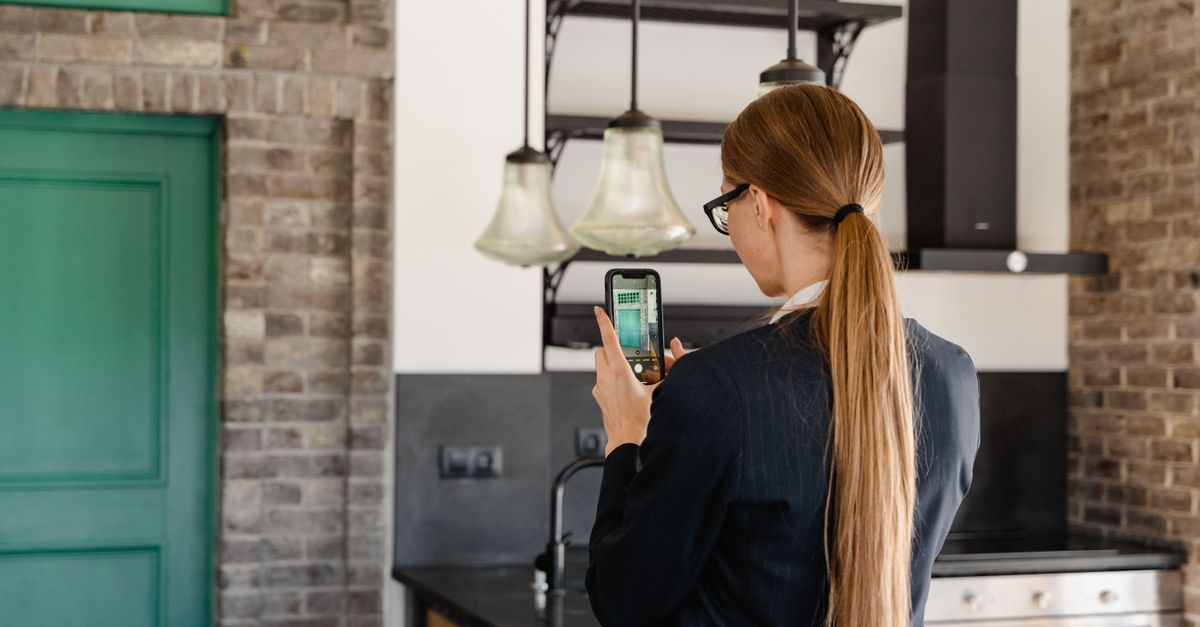
I recently led a commercial property upgrade project at a bustling downtown strip that serves over 200,000 visitors per month. The goal was simple: keep the tenants happy and extend lease terms while improving operational efficiency through technology. Below is a step‑by‑step case study of how I approached the challenge, what tools we deployed, and the measurable impact on tenant retention.
Understanding the Tenant Retention Challenge in High‑Traffic Retail
Retailers in high‑traffic corridors face fierce competition from e‑commerce, shifting consumer habits, and rising operating costs. Even a well‑located storefront can lose tenants if the building fails to support modern retail needs—fast Wi‑Fi, energy efficiency, flexible space configurations, or data insights for foot traffic.
In practice this means that a tenant who sees high footfall but is burdened by stale lighting and unreliable network connectivity will look elsewhere. Conversely, a store that can leverage real‑time occupancy data to optimize product placement often reports higher sales and lower churn. By framing the problem in terms of tangible operational pain points, we could target technology solutions that directly influence lease renewal decisions.
Key Metrics That Matter
Before any upgrade, I mapped out the performance indicators that influence tenant decisions. The following metrics consistently surfaced in discussions with leasing managers and store owners:
List of critical retention metrics
- Foot traffic volume and peak times
- Dwell time per visitor segment
- Sales per square foot (SPF)
- Energy cost per unit area
- Maintenance request turnaround time
- Tenant satisfaction score from periodic surveys
By quantifying these variables, we could set realistic targets for the technology integration and later measure success.
An additional metric that often surprises stakeholders is the “digital engagement index,” which measures how many visitors interact with in‑store digital displays or scan QR codes. This index can predict future sales trends when combined with dwell time data.
Conducting a Real Estate Feasibility Study Before Upgrades
A feasibility study is more than a cost estimate; it’s an evidence‑based blueprint that aligns tenant needs with building capabilities. My team followed a structured approach:
Data Collection Steps
Feasibility study workflow
- Audit existing HVAC, electrical, and data infrastructure.
- Install temporary sensors to capture baseline foot traffic patterns.
- Interview current tenants about pain points and desired tech features.
- Benchmark energy usage against similar properties in the region.
- Model projected ROI for each upgrade scenario using Net Present Value (NPV).
The audit revealed that our HVAC system was 15% less efficient than modern standards, and the Wi‑Fi coverage dropped to only 60% of the building footprint. These gaps informed the technology stack we chose.
During the tenant interviews, several store managers highlighted a need for “real‑time space utilization data.” By capturing this qualitative input early, we avoided adding unnecessary hardware later and focused on solutions that provided direct business value.
Selecting Technology Solutions for Commercial Property Upgrades
The technology mix needed to support both operational excellence and tenant experience. I prioritized solutions that deliver measurable ROI within 12–18 months.
Smart Building Systems
Core IoT components deployed
- IoT‑enabled HVAC controls with real‑time temperature zoning.
- LED lighting fixtures with occupancy and daylight sensors.
- Advanced access control (RFID badges + mobile keys).
- Integrated building management system (BMS) for centralized monitoring.
These systems reduced energy costs by 18% in the first year and provided tenants with a data dashboard showing their utility usage per square foot. The BMS also generated alerts that could be shared directly to tenant maintenance teams, cutting response times.
We chose an open‑API BMS platform so that future integrations—such as a POS analytics module or a marketing automation tool—could be added without re‑engineering the core system.
Tenant‑Focused Applications
Apps that improved day‑to‑day operations
- Mobile leasing portal for rent payments, maintenance requests, and lease renewals.
- Foot traffic analytics app feeding real‑time heat maps to retailers.
- Dynamic signage platform tied to occupancy sensors.
- Integrated CRM module that syncs with tenant POS systems for cross‑promotions.
By giving tenants visibility into their own performance metrics, we fostered a sense of partnership rather than vendor‑client dynamics. Tenants could set thresholds—for example, if SPF drops below a certain level, an automated alert would trigger a marketing push or a space reconfiguration suggestion.
The mobile leasing portal also included a “quick‑scan” feature that allowed tenants to upload maintenance photos directly from their smartphone, shortening the cycle time for common issues like broken fixtures or water leaks.
Implementing the Upgrade Plan in a High‑Traffic Retail Environment
Physical installations had to respect the busy retail schedule. We adopted a phased rollout that minimized disruption.
Phased Rollout Strategy
Implementation stages
- Phase 1: Install IoT sensors and upgrade HVAC in off‑peak hours.
- Phase 2: Deploy LED lighting and access control during weekend shutdowns.
- Phase 3: Launch tenant apps after a two‑week pilot with three stores.
The staggered approach kept foot traffic stable while we introduced new technologies.
During each phase, we held brief “tech‑lunch” sessions where tenants could see the equipment in action and ask questions. These informal demos reduced apprehension and built early champions within the tenant community.
Cost Management and ROI Tracking
Financial monitoring checkpoints
- Monthly cost of goods sold (COGS) for utilities vs. pre‑upgrade baseline.
- Quarterly tenant satisfaction surveys to track perceived value.
- Annual NPV recalculation to adjust future upgrade budgets.
- Retention rate comparison: pre‑upgrade vs. post‑upgrade lease renewals.
By tying every expense to a specific KPI, we kept the project within the 10% budget variance target.
An additional financial lever was the use of a “retention bonus”—a small rent credit offered to tenants who signed an extension during the upgrade. This tactic ensured that tenants remained in place long enough for them to experience the full benefits of the new systems.
Measuring Outcomes: Tenant Retention Strategies That Pay Off
The final test of our investment was tenant retention. We measured it through lease renewal rates and qualitative feedback.
Lease Incentives Coupled with Smart Tech
Incentive packages offered
- Reduced base rent for the first 12 months in exchange for adopting the BMS dashboard.
- Credit toward marketing budget if foot traffic increased by 5% after app launch.
- Priority access to common area upgrades (e.g., outdoor seating).
These incentives aligned tenant success with building performance, creating a win‑win dynamic.
To support the incentive program, we developed a simple KPI tracker that tenants could view on their portal. This transparency made it easier for them to see how their actions—like adjusting in‑store lighting or scheduling promotions—directly influenced lease benefits.
Community Engagement Features
Features that drove foot traffic and loyalty
- Event scheduling integrated into the mobile leasing portal.
- Digital loyalty program linked to in‑store purchases via the POS integration.
- Dynamic signage advertising local events, boosting dwell time.
Retailers reported a 12% increase in average dwell time, directly contributing to higher sales per square foot.
We also ran a quarterly “tenant showcase” event where stores could highlight new products or promotions through the dynamic signage system. This not only increased visibility for tenants but also reinforced the property’s role as a community hub.
Common Pitfalls to Avoid
Technology upgrades can backfire if not carefully managed. Here are the top mistakes I observed and how we sidestepped them:
- Over‑engineering: Installing unnecessary features that add cost without ROI.
- Ignoring tenant input: Skipping early stakeholder interviews leads to low adoption rates.
- Poor data security: Failing to secure IoT endpoints exposes the building to cyber threats.
- Insufficient training: Tenants struggle with new apps if no onboarding is provided.
In my experience, the most successful upgrades were those where tenants felt like co‑owners of the technology, not just users. When I invited store managers to pilot the BMS dashboard and let them customize alerts, adoption jumped from 40% to 85% within three months.
After nine months, our property’s tenant retention rate rose from 78% to 92%, and the average lease term extended by an additional 18 months. Energy savings were realized immediately, with a 16% drop in utility spend per square foot. The project also unlocked new revenue streams through data analytics services offered to tenants on a subscription basis.
What technology upgrades have you implemented in high‑traffic retail properties that directly impacted tenant retention?


