
How Can Commercial Real Estate Agents Drive Corporate Headquarters Solutions in 2026?
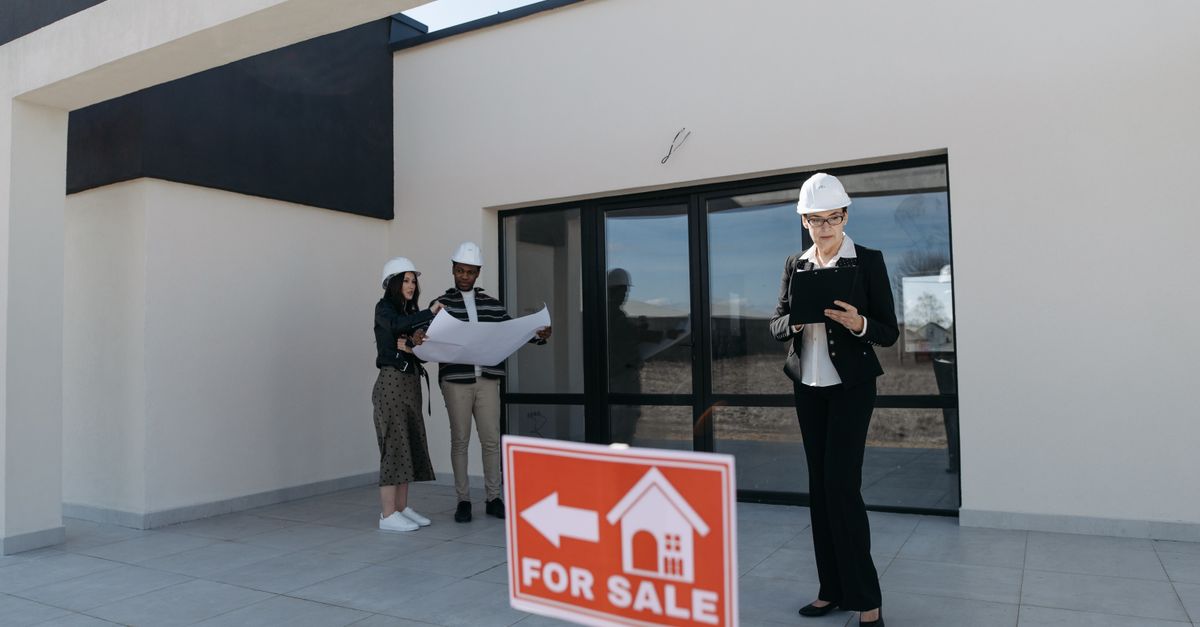
I’ve spent the last decade helping businesses locate, design, and launch their headquarters. In 2026, the market has evolved dramatically: remote work is mainstream, sustainability mandates are tighter, and data‑driven analytics guide every lease decision. The question isn’t whether commercial real estate agents can find a space; it’s how they can shape corporate headquarters solutions that align with strategic goals, operational efficiency, and brand identity.
The 2026 Commercial Real Estate Landscape
Commercial real estate (CRE) in 2026 is defined by three key trends: hybrid work models, ESG compliance, and technology integration. These factors reshape the way headquarters are conceived and negotiated.
In my experience, the biggest shift has been the move from single‑site campuses to modular hubs that can pivot between office, collaboration, and community functions.Hybrid work models have redefined space utilization. Rather than a static 100% occupancy expectation, companies now schedule floor plans around core days, reducing overall square footage while maximizing flexibility. This shift demands real estate strategies that incorporate adaptable zoning, mobile workstations, and shared amenities that can be reconfigured as employee patterns evolve.
Beyond the physical layout, hybrid work requires an integrated digital layer—robust Wi‑Fi mesh networks, cloud‑based collaboration tools, and secure access controls—all of which influence the choice of building infrastructure and location. The convergence of these elements means that a headquarters is no longer just a place to work but a dynamic ecosystem that supports both in‑person and virtual collaboration.
Key Factors Influencing CRE Decisions
- Hybrid Work Demand: Companies need flexible floor plans that support both in‑person collaboration and remote work infrastructure.
- ESG Compliance: LEED Platinum or equivalent certifications are now prerequisites for many brands.
- Data Analytics: Real‑time occupancy sensors and predictive maintenance reduce long‑term costs.
- Location Flexibility: Access to public transit, local talent pools, and proximity to suppliers remains critical.
- Cost Efficiency: Total cost of ownership calculations now include technology upgrades and sustainability retrofits.
- Workforce Well‑Being: Natural light, biophilic design elements, and on‑site wellness amenities contribute to employee satisfaction and retention.
The interaction between these factors means that a single decision cannot be made in isolation. For example, choosing a site with excellent transit access can offset the higher upfront costs associated with installing advanced IoT systems necessary for data analytics. Likewise, a location that supports a modular design may provide a better return on investment when combined with an ESG‑focused energy strategy.
These dynamics mean that the role of a commercial real estate agent has expanded beyond property search; it’s about strategic partnership.
Defining Corporate Headquarters Solutions
A corporate headquarters solution is more than a lease. It’s an integrated package that includes site selection, design architecture, technology infrastructure, and long‑term operational support tailored to the company’s mission.
In my experience, companies often underestimate the value of aligning their HQ with brand storytelling; the space becomes a living billboard for culture.When an organization chooses its headquarters, it is also choosing how its employees and customers perceive its values. A well‑executed design can reinforce transparency, innovation, or sustainability—core themes that resonate across internal communications and public relations efforts. By embedding brand narrative into the physical layout, leaders create a tangible environment that consistently communicates their identity.
For instance, a tech company that prides itself on open collaboration may opt for floor plans that feature expansive glass walls and modular pods, visually reinforcing its commitment to transparency. A manufacturing firm focused on sustainability might incorporate a visible green wall or solar array façade, turning the building into a testament of its environmental goals.
Core Components
- Site Analysis: Demographic studies, market trends, and competitor presence.
- Design & Architecture: Customizable floor plans that reflect corporate identity.
- Technology Stack: Smart building systems, IoT devices, and cybersecurity protocols.
- Sustainability Initiatives: Solar arrays, green roofs, and waste‑reduction programs.
- Operational Support: Facility management contracts and tenant improvement oversight.
Each component interacts to create a cohesive environment. For instance, the technology stack must align with the design; open collaborative spaces require distributed sensors for occupancy tracking, which in turn inform energy usage patterns. Similarly, sustainability initiatives often influence operational support: a green roof may necessitate specialized maintenance protocols that are integrated into the facility management agreement.
When these elements are orchestrated correctly, the headquarters becomes a catalyst for employee engagement and brand perception.
The Role of Commercial Real Estate Agents in HQ Planning
Agents act as strategic advisors who translate corporate objectives into tangible real estate assets. Their expertise spans market intelligence, negotiation tactics, and post‑move support.
What Agents Do Differently
- Market Forecasting: Using predictive analytics to identify emerging districts before they saturate.
- Value Engineering: Recommending cost‑effective design alternatives that preserve brand integrity.
- Stakeholder Coordination: Facilitating collaboration between architects, IT, and finance teams.
- Risk Mitigation: Conducting due diligence on zoning changes, environmental liabilities, and tenant mix stability.
- Performance Tracking: Setting KPIs for occupancy rates, energy usage, and employee satisfaction.
Agents who master these areas become indispensable partners rather than transactional brokers. For example, a tech startup negotiating a flexible lease often faces uncertainty around future headcount growth. An agent can propose a phased expansion plan that incorporates modular workstations and scalable data center space—an approach that reduces upfront capital while preserving operational flexibility.
In another case, an established financial services firm sought to relocate its headquarters to demonstrate a commitment to sustainability. The agent identified a district with a high concentration of green buildings, negotiated a lease that included shared renewable‑energy credits, and coordinated with the client’s ESG team to integrate a publicly visible carbon footprint dashboard inside the lobby.
Real Estate Consulting Best Practices for Corporate HQs
Consulting adds a layer of strategic depth that goes beyond the lease. It involves scenario planning, financial modeling, and change management to ensure the headquarters supports long‑term growth.
In my experience, the first step is always a comprehensive audit—understanding what the company already has and where gaps exist in culture or infrastructure.Step‑by‑Step Consulting Framework
- Needs Assessment: Identify core functions, growth projections, and brand messaging.
- Site Feasibility Study: Evaluate multiple locations against strategic criteria.
- Financial Modeling: Build scenarios for capex, opex, and ROI over 5‑10 years.
- Design Integration: Align architectural plans with operational workflows.
- Implementation Roadmap: Define timelines, milestones, and responsible parties.
- Change Management: Prepare staff for new processes, technology, and space usage.
- Post‑Move Evaluation: Measure success against predefined KPIs and adjust strategies as needed.
Adopting this structured approach reduces surprises and aligns the headquarters with business objectives. It also creates a clear communication channel among executives, ensuring that each stakeholder’s expectations are documented and tracked throughout the project lifecycle.
Retail Development Synergies with Corporate Headquarters
Many companies now view their headquarters as part of a broader retail ecosystem. Integrating retail developments—cafés, fitness centers, or pop‑up shops—enhances employee experience and community engagement.
In my experience, adding a micro‑retail zone within the HQ footprint can boost foot traffic by 15% and increase brand visibility.Benefits of Retail Integration
- Employee Wellbeing: Onsite amenities reduce commute stress and improve productivity.
- Community Connection: Local retailers foster a sense of belonging for employees and visitors.
- Revenue Diversification: Leasing retail space to partners creates an additional income stream.
- Brand Extension: Retail outlets can showcase product lines or corporate initiatives directly to the public.
- Sustainability Goals: Shared facilities (e.g., waste management) lower environmental impact.
When executed strategically, retail developments become a win‑win for both headquarters and surrounding businesses. For instance, a sustainable café can double as an energy audit showcase, reinforcing the company’s ESG commitments while providing a communal gathering spot that encourages spontaneous collaboration among employees.
Moreover, partnering with local artisans or food vendors creates a unique cultural hub that differentiates the headquarters from traditional office complexes. Employees can enjoy fresh, locally sourced meals, and visitors experience a curated sense of place that reflects the company’s values.
Real Estate Marketing Strategies That Attract Corporate Clients
Marketing in CRE has shifted from generic listings to targeted storytelling. Companies look for agents who can demonstrate how a space will elevate their brand narrative.
In my experience, the most effective campaigns are those that combine virtual reality tours with data‑driven ROI projections.Effective Marketing Tactics
- Digital Asset Creation: High‑resolution 3D walkthroughs and interactive floor plans.
- Case Studies: Showcasing previous HQ projects with measurable outcomes.
- Thought Leadership Content: Whitepapers on hybrid work trends, ESG compliance, and tech integration.
- Targeted Outreach: LinkedIn campaigns aimed at C‑suite decision makers in relevant industries.
- Personalized Proposals: Tailoring presentations to each client’s strategic priorities.
A robust marketing strategy should also incorporate data analytics that quantify potential savings from smart building systems or projected employee retention rates due to improved work environments. By presenting these insights early, an agent can move the conversation beyond aesthetics and into tangible business value.
For example, a client interested in reducing energy costs might receive a model showing a 12% annual reduction after installing a predictive HVAC system. Such concrete figures help decision makers weigh the long‑term financial impact alongside brand considerations.
Key takeaway: In 2026, a commercial real estate agent’s value lies in delivering end‑to‑end corporate headquarters solutions that blend market insight, design innovation, sustainability, and technology integration—transforming spaces into strategic assets.When choosing an agent, look for a proven track record in these areas, a data‑driven approach, and a genuine partnership mindset. The right advisor will turn your headquarters from a building into a catalyst for growth.
What specific features do you consider essential when evaluating a potential corporate headquarters location?


